Witnessing An American Requiem
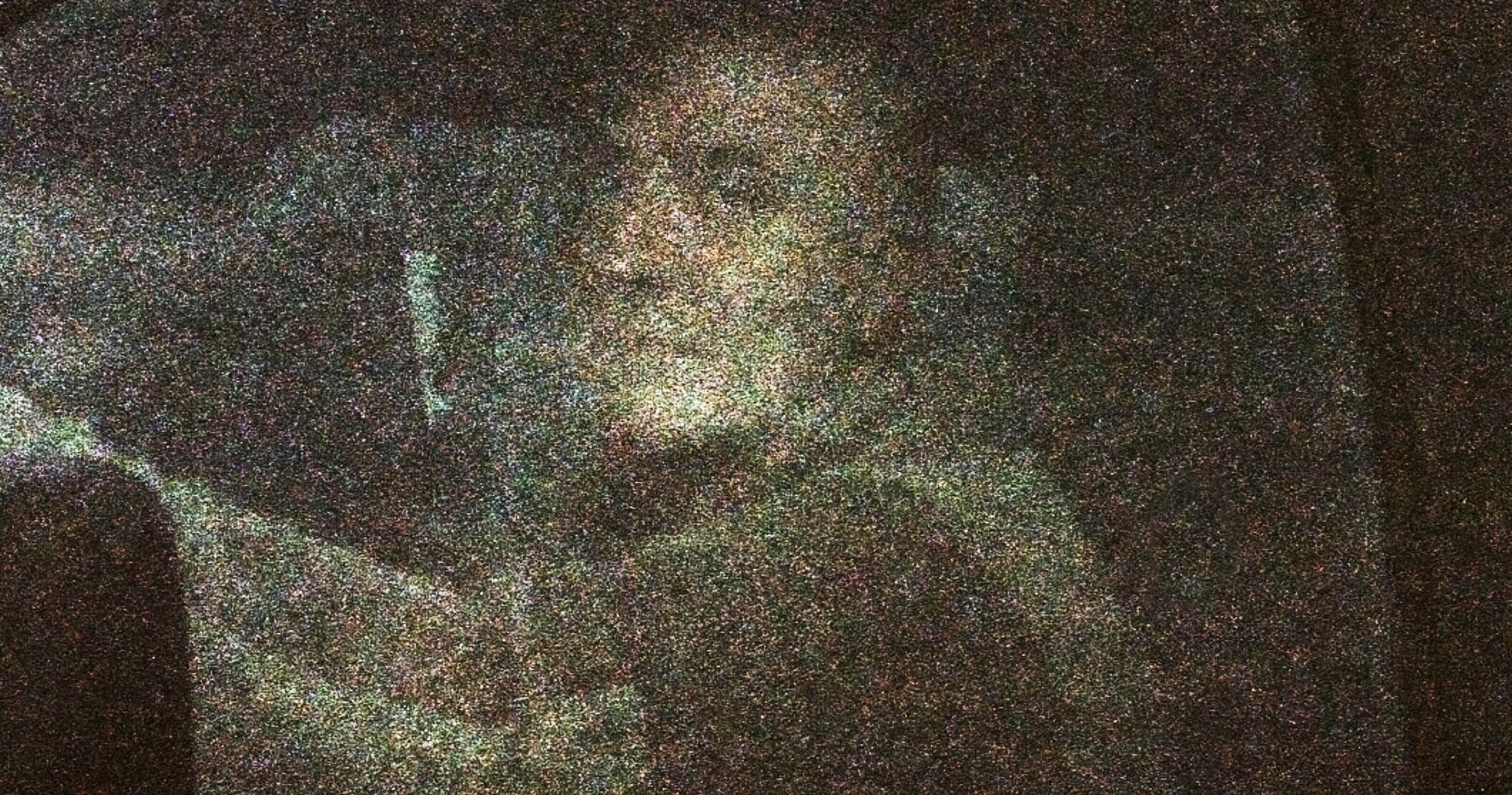
I made this picture on the day of Renee Good’s memorial in Minneapolis. She had been killed the previous week a few blocks away, and thousands of people came to mourn her. I arrived early and found thousands of people walking across this frozen field.
It reminded me of when I saw Billy Graham at the Oakland Coliseum 30 years ago. I was sitting way up high, and when he called on anyone ready to give their life to Christ to come forward, for the next 45 minutes I watched as people from all over the stadium came forward. They looked like ants. I was going through a difficult breakup and felt tempted to join the ants as they took the few steps that would undoubtedly change some of their lives forever. I remained in the last row of the 400 section, closer to God than the ground, but unwilling to let it all go.
As I looked through the viewfinder, I instantly thought of all those Dutch ice-skating paintings from the 16th century. Four hundred years later and 3,000 miles away, people grouped themselves in the same way, in the same kind of weather, bundled up and cold.
I thought of another memorial. A month after Renee Good’s and Alex Pretti’s deaths, Barack Obama spoke at Jesse Jackson’s memorial and encouraged people not to give up hope. It felt so naive. What hope could there be? The rule of law. A free press. Talk of suspending elections. All were threatened. Americans shot in the street.
Then there was what I saw in Minnesota in January. Four thousand unconstrained, masked federal agents terrorized this mid-sized Midwestern town like the outlaws in the American Western, Tombstone. They rode in blacked-out SUV convoys through snow-covered streets. Unencumbered by law. I saw them speed through neighborhoods, going 60 miles an hour on residential streets, down one-way alleys the wrong way, jumping curbs and running lights. They pulled observers out of their cars and shot tear gas, flash-bangs, and rubber bullets at journalists. Whatever you saw in the news, it was much more terrifying in person. How is it possible to have any hope when all you thought was true was just a custom?
Then I thought about all those Minnesotans standing on street corners in Arctic temperatures, hour upon hour, day after day, for weeks, blowing whistles and following the Suburbans in their Subarus with trans rights and Greenpeace bumper stickers. They stared down men in full body armor, automatic weapons, and bear spray. The only thing protecting them was a cell phone. They were not afraid. This was 21st-century civil disobedience.
I started out as a journalist when I was 17. I worked for the Baltimore Sun and other newspapers around the country and then went to journalism school in Indiana. I was trained not to take sides. To be impartial. To cover both sides of the story. But can there be two sides to advocating for the execution of protesters, journalists, and immigrants? We live in a time when it is a radical statement to say that I believe in science, free and fair elections, free speech, that no one is above the law, that this country is imperfect but that we have more that binds us than divides us. We are not each other’s enemies. To call these fundamental tenets radical is obscene.
In the early 1970s, when I was a child, my father was a journalist and documented the work of Aleksandr Solzhenitsyn and the dissidents in Moscow. The refuseniks’ goal was simply to provide a specific record of the brutality of a dictatorial regime.
I can do my part. I have been a photographer my entire life. So, since the beginning of the year, I have made three trips to Minnesota, as well as trips to LA detention centers and detention centers in the Mojave Desert and Mojave Valley. I am not sure what the outcome of this work will be, but I feel like I need to do my part. I can make a record